Financial Implications of Bangladesh’s Hypertension Epidemic
Experts call for increased budget allocation in FY2026-27 to combat the rising tide of hypertension, which now ranks as the top disease in Bangladesh.





WASHINGTON D.C. In a historic reversal of three decades of public health policy, the US Centers for Disease Control and Prevention (CDC) has officially signed off on a recommendation to end universal Hepatitis B vaccination for newborns. The decision, finalized Tuesday, replaces the standard birth dose with a “shared decision-making” model for mothers who test negative for the virus.
Since 1991, the CDC has advised that all infants receive their first Hepatitis B shot within 24 hours of birth. This strategy was credited with reducing pediatric infections from 18,000 annually to fewer than 20. Under the new protocol, if a mother tests negative, the decision of whether to vaccinate at birth—or wait until the child is at least two months old—will be left entirely to the parent and their healthcare provider.
Handpicked Advisors and “Informed Consent” The shift comes months after US Health and Human Services Secretary Robert F. Kennedy Jr. overhauled the CDC’s Advisory Committee on Immunization Practices (ACIP), replacing all 17 previous members with a new panel. Acting CDC Director Jim O’Neill stated the move restores “the balance of informed consent” for parents whose children face low immediate risk.
A “Heartbreaking” Rollback The medical community, however, has reacted with alarm. Major groups, including the American Academy of Pediatrics (AAP) and the American Medical Association (AMA), continue to strongly recommend the birth dose.
“This is heartbreaking,” said AAP President Dr. Susan Kressly. “We have a vaccine that can prevent so many infections, and it is deeply disappointing to see the continued dismissal of expertise.”
Hepatitis B is highly infectious and can lead to chronic liver cancer or organ failure. Statistics show that 90% of infants who contract the virus develop chronic disease, compared to only 10% of adults. Experts warn that even a two-month delay could leave hundreds of infants vulnerable to infection through household contact or unforeseen exposure.

Experts call for increased budget allocation in FY2026-27 to combat the rising tide of hypertension, which now ranks as the top disease in Bangladesh.

Ever wondered why you feel sleepy after a big meal? Scientists explain the “satiety cascade,” the insulin response, and whether one-off overeating is actually harmful.
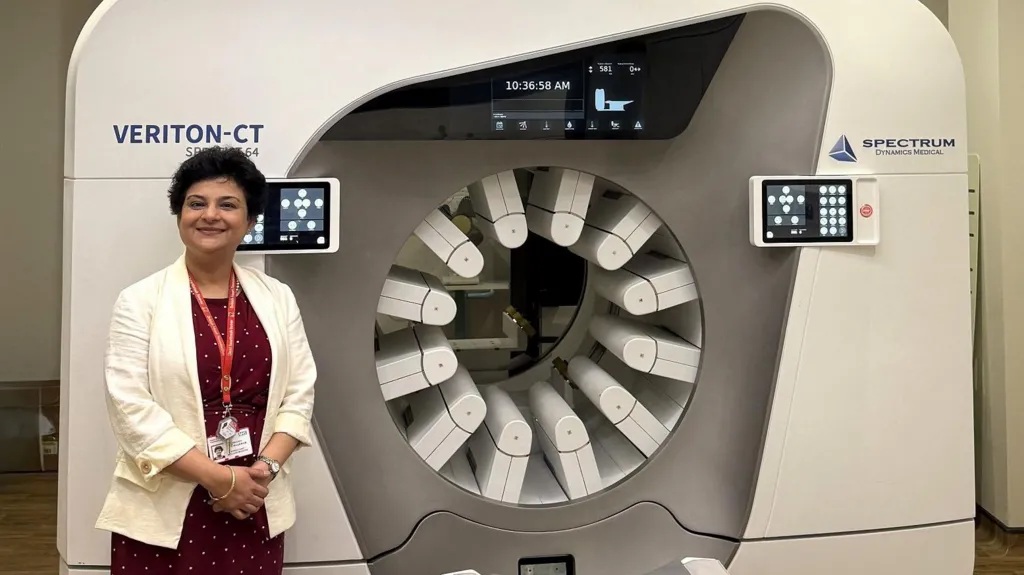
CZT, a notoriously difficult-to-manufacture semiconductor, is enabling major advances in medical imaging, airport security, and X-ray telescopes. Due to its precise, single-step detection of X-rays and gamma rays, the material is in high global demand, complicating projects from a £500m UK synchrotron upgrade to US space missions threatened by supply shortages and the US government shutdown.
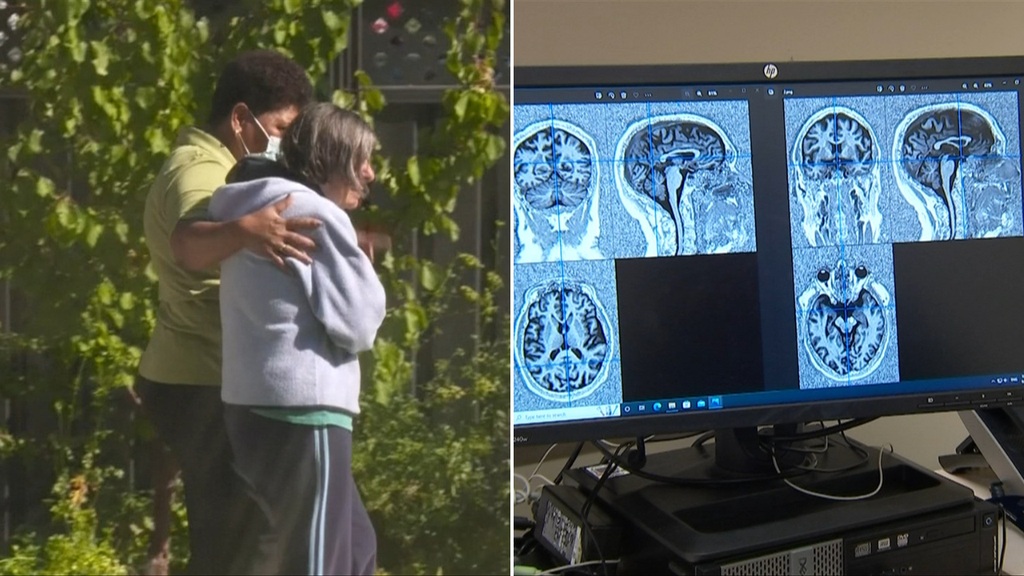
Dementia is confirmed as Australia\’s leading cause of death for 2024, with 62.4% of victims being female. The shift highlights the disproportionate impact on women due to longer life expectancies, creating immense pressure on the healthcare system and demanding urgent national focus on preventative brain health.

Walking up to 7,500 steps daily may delay cognitive decline by 7 years for those with early Alzheimer\’s signs. Experts urge walking be part of a personalized health plan.

Autistic researcher and CDC consultant argues the 1-in-31 diagnosis rate is an opportunity. Calls for policy changes in education, employment, and cities to support autistic adults

The incredible story of how one doctor questioned his own advice, leading to a trial proving early peanut introduction prevents allergies and a 33% drop in US cases