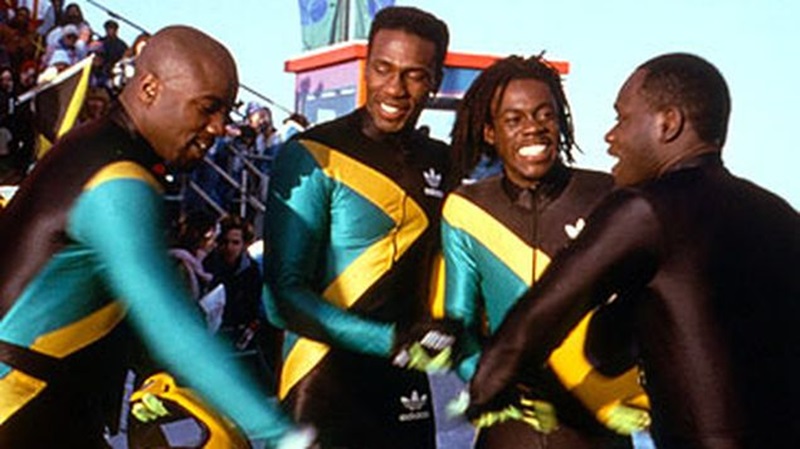
The Real, Gritty Journey of Jamaica’s 1988 Olympic Pioneers
Dudley Stokes reveals the “hunger and fights” behind the 1988 Jamaican bobsleigh debut that inspired the Disney comedy ‘Cool Runnings’.





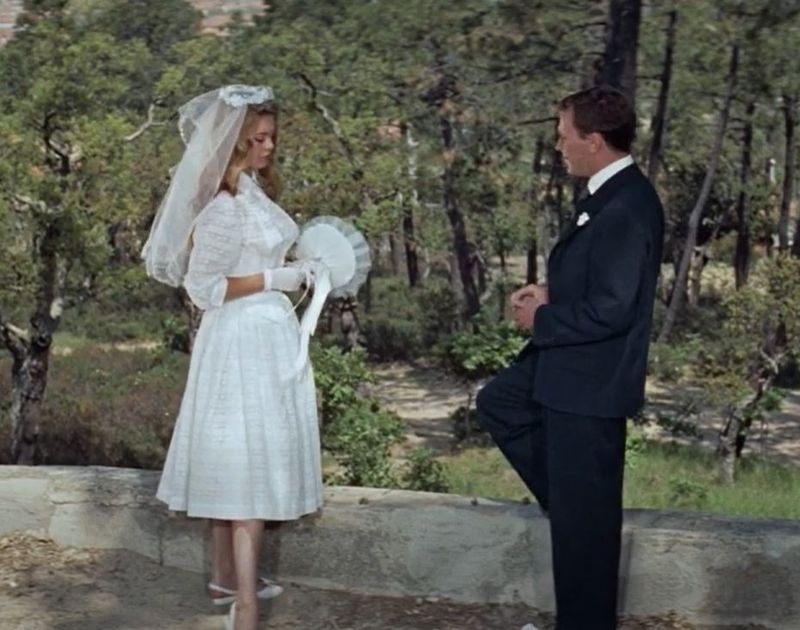
FRANCE : With the passing of Brigitte Bardot at 91, France loses more than just a movie star; it loses a lightning rod for the nation’s deepest cultural divisions.
In the 1960s, Bardot was the “hedonism personified” of the New Wave. Her tousled blonde hair and pouty irreverence symbolized a nation breaking free from bourgeois constraints. She was the first star to collapse the wall between public and private life, pursued by paparazzi in a way that prefigured the modern influencer era.
However, Bardot’s later years were marked by a sharp turn toward nationalist politics. Her fourth marriage in 1992 to Bernard d’Ormale, an adviser to Jean-Marie Le Pen, signaled a political shift that would eventually see her convicted five times by French courts for inciting racial hatred.

French actress Brigitte Bardot poses in character from the motion picture “Voulez-Vous Danser Avec Moi” (Do you Want to Dance With Me), on Sept. 10, 1959.
Her diatribes against Muslim slaughter rituals often bled into broader anti-immigrant sentiment. Between 1997 and 2008, her public standing suffered significantly as she decried the “influx” of immigrants into France. This extremism led several French towns to remove the Bardot-inspired “Marianne” statues from their squares.
In 2018, Bardot again courted controversy by labeling the #MeToo movement “hypocritical” and “ridiculous.” She claimed she found it “charming” to be complimented on her appearance and argued that many actresses played “teases” with producers to land roles—a stance that alienated a new generation of French feminists.

Former Actress And Now Animals Rights Activist Brigitte Bardot Invited For A Meeting On The Environment With French President Nicolas Sarkozy, At The Elysee Palace In Paris, France On September 27, 2007.
Marine Le Pen, leader of the National Rally, paid tribute Sunday to an “exceptional woman” who was “incredibly French.” This description perhaps best captures the Bardot paradox: a woman who represented the absolute freedom of the 1960s, yet spent her final years campaigning for a rigid, nationalist vision of France. She remains a figure who was as much “hunted” by the press as the animals she sought to save, leaving behind a legacy that is as brilliant as it is fractured.
Dudley Stokes reveals the “hunger and fights” behind the 1988 Jamaican bobsleigh debut that inspired the Disney comedy ‘Cool Runnings’.

Who won the red carpet? Check out the most dazzling arrivals, viral outfits, and stylish celebrities from the 83rd Golden Globe Awards.

Director Raihan Rafi begins shooting ‘Pressure Cooker,’ a female-centric drama starring Bubly, Nazifa Tushi, and Maria Shanto, slated for Eid 2026.

The Dhallywood Awards return to Bangladesh after 24 years. Highlights include Robinrafan winning the AI honor and a star-studded gala in Dhaka.

James Cameron’s ‘Avatar: Fire and Ash’ hits the $1 billion mark globally, leading the North American box office for another weekend. See the full top 10 list.

Who impressed and who missed the mark? Check out the most talked-about Bollywood debuts of 2025, from Ibrahim Ali Khan to Veer Pahariya.

From Love Island UK to a Tasmanian proposal, see how Jessie Wynter and Farmer Will Young became one of the franchise’s biggest success stories.

Delta Goodrem’s 2025 holiday special features 5 Seconds of Summer, Amy Shark, and a Mean Girls segment. Get the exclusive details on the production.