The Real, Gritty Journey of Jamaica’s 1988 Olympic Pioneers
Dudley Stokes reveals the “hunger and fights” behind the 1988 Jamaican bobsleigh debut that inspired the Disney comedy ‘Cool Runnings’.





There was always something about the “f” sound in 2025 that made it sound sleek and futuristic. But now that we’ve stepped into 2026, the vibe is decidedly different. We have arrived in the “future,” but instead of the gleaming chrome of mid-century sci-fi, we’ve landed in a science-fiction-style development that feels increasingly dystopian—or worse, just poorly optimized.

Dwayne Johnson
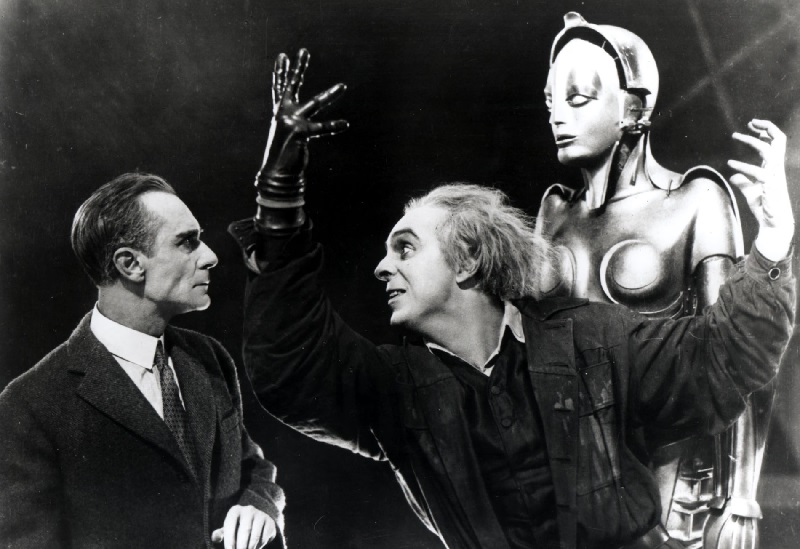
The principal characteristic of 2026 is the widespread, mandatory adoption of AI. But here is the catch: in a “proper” cinematic dystopia, the brain-numbing, corporate-backed technology usually works. In our 2026, we are surrounded by tech that is just functional enough to be intrusive, but not quite smart enough to be useful. We were warned about the “Robot Maria” in Metropolis (1927), a machine designed to imitate and deceive. Today, we have AI designed to imitate and hallucinate, serving as a tool for a ruling class that seems more interested in bubbles than breakthroughs.

Jessica Miglio.
Fritz Lang’s Metropolis imagined 2026 as a world where technology depended on manual labor. Today, we see a logical, if cynical, union of that vision: a corporate enthusiasm for an AI bubble built on the back of “unskilled” manual data labeling. Lang hoped that the “heart” would bridge the gap between the haves and have-nots. In the real 2026, facing extreme economic gaps, that bridge feels more like a fantasy than it did a hundred years ago.

Dawn of the Planet of the Apes.
From the viral collapse in Planet of the Apes to the chromosome harvesting in Doom, sci-fi has spent decades screaming “Watch out!” about 2026. Some warnings were far-fetched—we likely won’t discover portals to Mars this year—but others were visionary. We are currently at the mercy of instincts that appeal to the worst of us, trapped in a cycle of “Marvel-style” wheel-spinning where every crisis is essential to the “next big thing.”

A still from Metropolis.
If 2026 has taught us anything yet, it’s that rebalancing the gap between the shimmering skyscrapers and the “caves of toil” won’t happen through a robot or a miracle. Cinema told us coexistence was possible, but as we look at the billionaire class of the real 2026, that seems more fantastical than a Martian city. We might be waiting another hundred years for the heart to finally do its job.
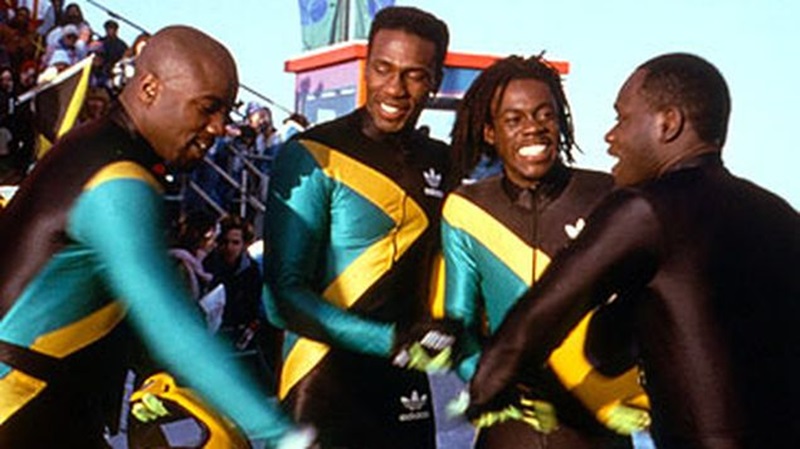
Dudley Stokes reveals the “hunger and fights” behind the 1988 Jamaican bobsleigh debut that inspired the Disney comedy ‘Cool Runnings’.
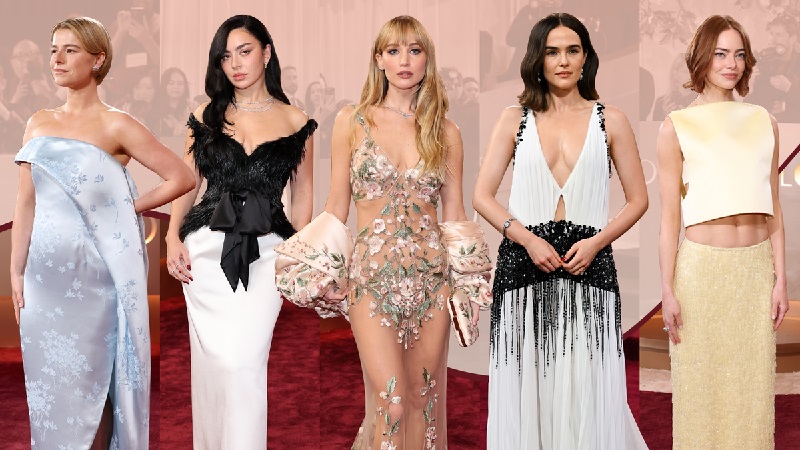
Who won the red carpet? Check out the most dazzling arrivals, viral outfits, and stylish celebrities from the 83rd Golden Globe Awards.

Director Raihan Rafi begins shooting ‘Pressure Cooker,’ a female-centric drama starring Bubly, Nazifa Tushi, and Maria Shanto, slated for Eid 2026.

The Dhallywood Awards return to Bangladesh after 24 years. Highlights include Robinrafan winning the AI honor and a star-studded gala in Dhaka.

James Cameron’s ‘Avatar: Fire and Ash’ hits the $1 billion mark globally, leading the North American box office for another weekend. See the full top 10 list.

Who impressed and who missed the mark? Check out the most talked-about Bollywood debuts of 2025, from Ibrahim Ali Khan to Veer Pahariya.
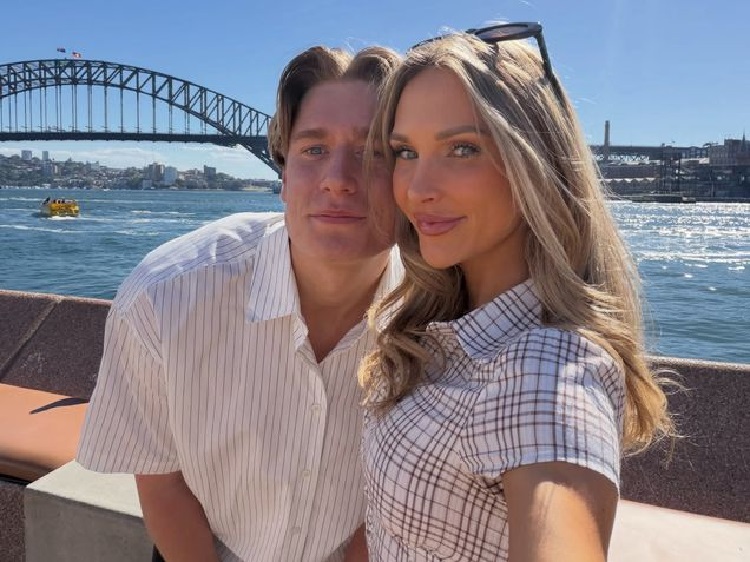
From Love Island UK to a Tasmanian proposal, see how Jessie Wynter and Farmer Will Young became one of the franchise’s biggest success stories.

Delta Goodrem’s 2025 holiday special features 5 Seconds of Summer, Amy Shark, and a Mean Girls segment. Get the exclusive details on the production.